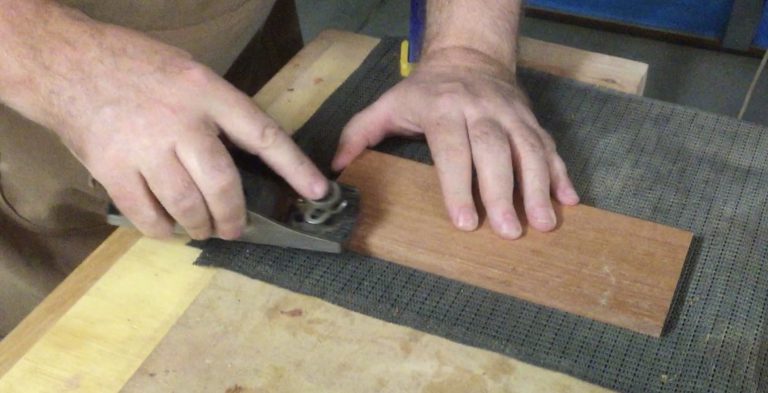

Solid timber vs Veneer Memorial Urns: Why the Difference Matters
Solid Timber vs Veneer Memorial Urns: Why the Difference Matters
Veneer has a valid place in furniture making. But memorial urns are different. They are not chosen as temporary household objects. They are chosen for permanence, trust and long-term peace of mind.
What veneer actually is
Veneer is a thin decorative layer of timber applied over another material, often MDF, particle board or manufactured board. It is widely used in modern furniture because it creates a timber appearance while keeping the underlying structure stable, consistent and cost-effective.
Used well, veneer can be attractive and practical. It allows manufacturers to create matching surfaces, reduce timber movement and produce furniture efficiently.
Why veneer is common in manufactured furniture
Manufactured board is stable. It does not expand and contract with humidity in the same way living timber does. That makes it useful for many household furniture applications, especially where cost, flatness and consistency are important.
Veneer also hides the plain fibreboard beneath it. Without the decorative surface, MDF and similar boards have little natural character. The veneer provides the appearance of timber while the manufactured core provides stability.
The concern with veneer over time
The main limitation of veneer is that the timber surface is thin. If it is scratched, chipped, sanded through or damaged at an edge, the underlying board can become visible.
On ordinary furniture, that may simply be accepted as wear. On a memorial piece, it can feel very different. A memorial urn is often expected to remain in the home for many years, and sometimes for generations. Damage that is difficult to disguise or repair can become a source of regret.
How solid timber is different
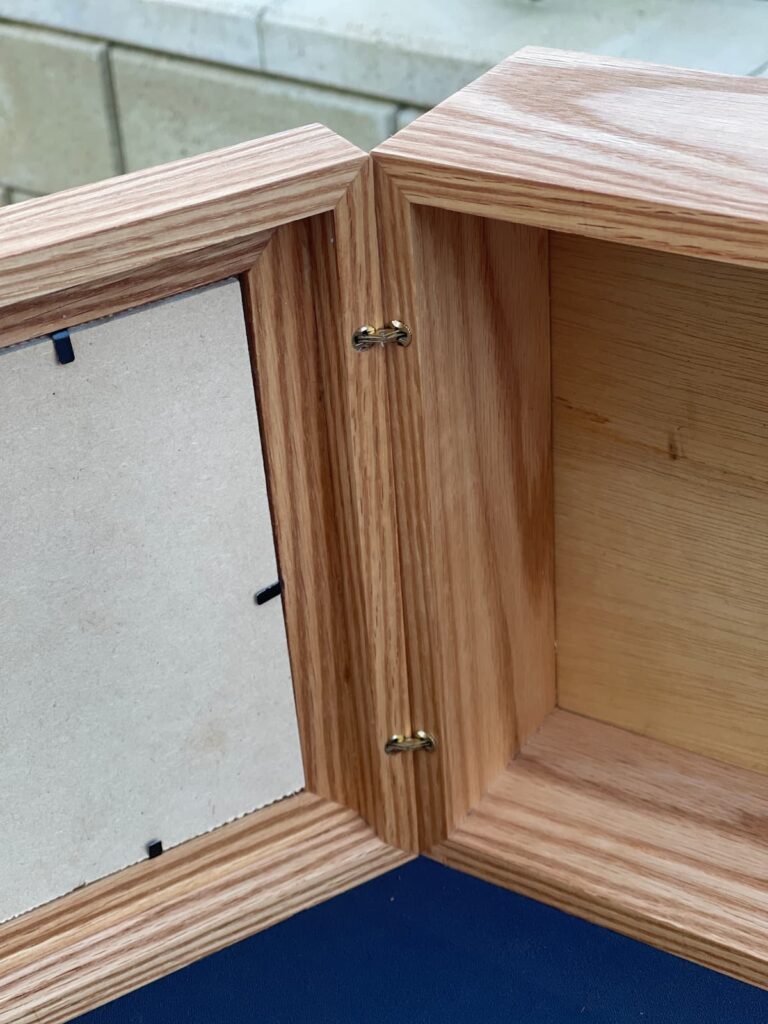
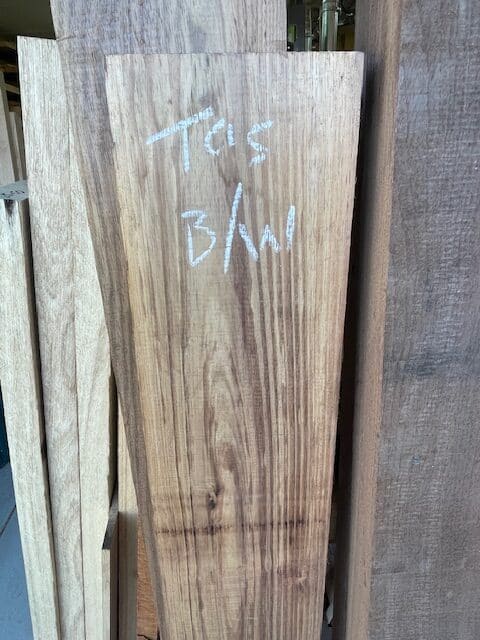
Solid timber is not a decorative skin. The material runs through the piece. It has weight, depth and substance. The grain is not printed, simulated or applied over another core.
Solid timber also moves naturally with changes in humidity. That movement is part of working with real timber, and it is why careful selection, preparation, joinery and finishing matter.
In return, solid timber offers something veneer cannot easily provide: a sense of material honesty. The surface, edges and structure are all part of the same timber. Minor marks can often be softened, refinished or lived with as part of the natural ageing of the piece.
How many MDF veneered pieces do we expect to see treasured on Antiques Roadshow in 100 years?
That question is not meant to dismiss veneer. It simply points to a truth we already understand instinctively: objects intended to endure are usually made from materials with substance.
Why this matters more in memorial work
A memorial urn is not judged only by appearance. It is judged by how it feels to live with. Families often look for something calm, substantial and appropriate for the home.
The difference between a veneered product and a solid timber memorial may not always be obvious in a photograph. It is often felt in the weight, the edges, the finish, the grain depth and the confidence that the piece has been made as a lasting object rather than a decorative shell.
Our approach
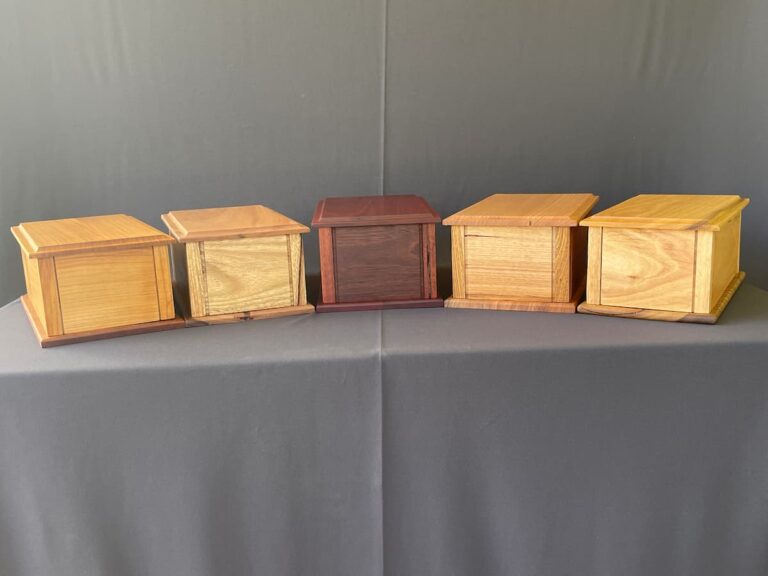
At A Cut Above Woodworking, our memorial urns are made from solid timber in our Maida Vale workshop. We choose this approach because it suits the purpose of the work.
Solid timber is slower to prepare and less convenient than manufactured board, but it gives the finished memorial the weight, warmth and permanence we believe this kind of piece deserves.
For families comparing options, the question is not simply whether an urn looks like timber. The more important question is whether the material, construction and finish feel appropriate for something intended to remain.
Questions before ordering?
If you are unsure about timber choice, sizing or suitability, you are welcome to contact the workshop before ordering.
Contact the Workshop